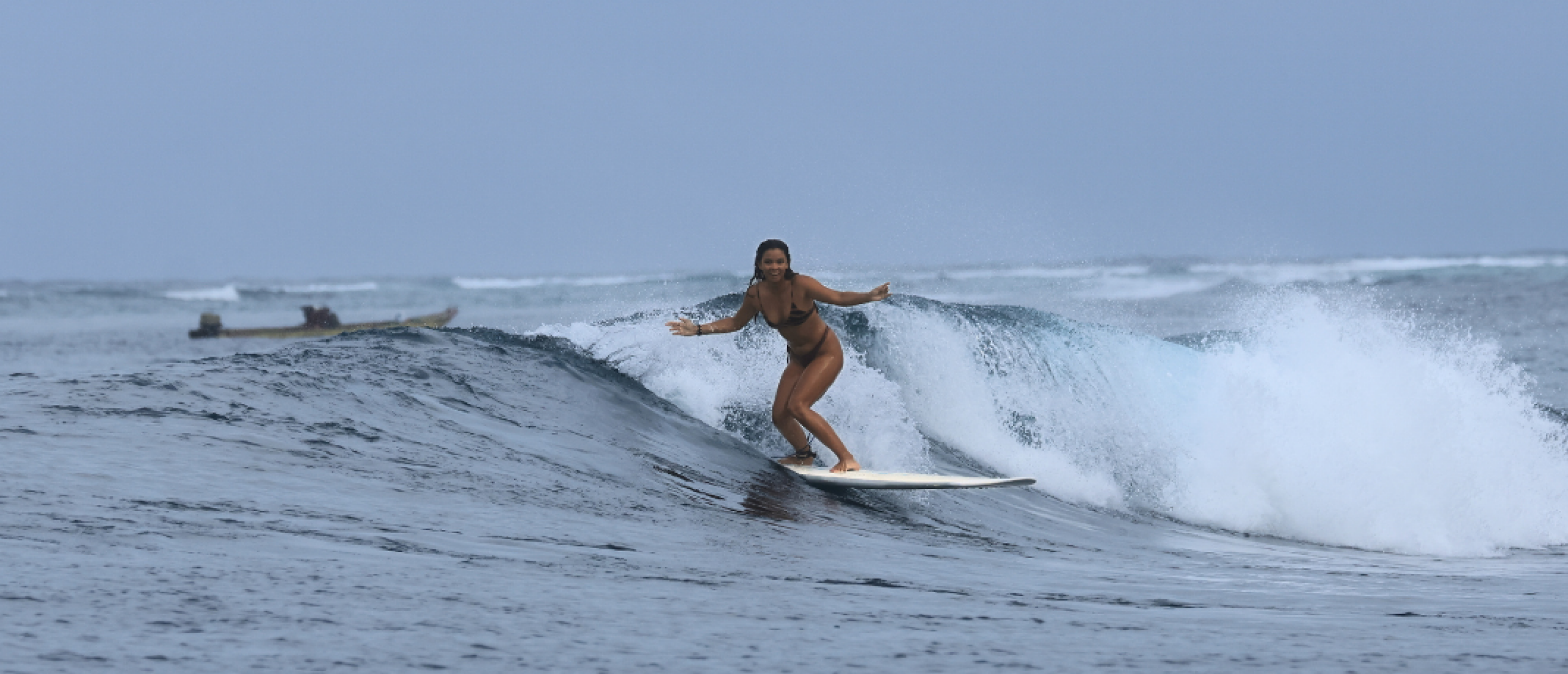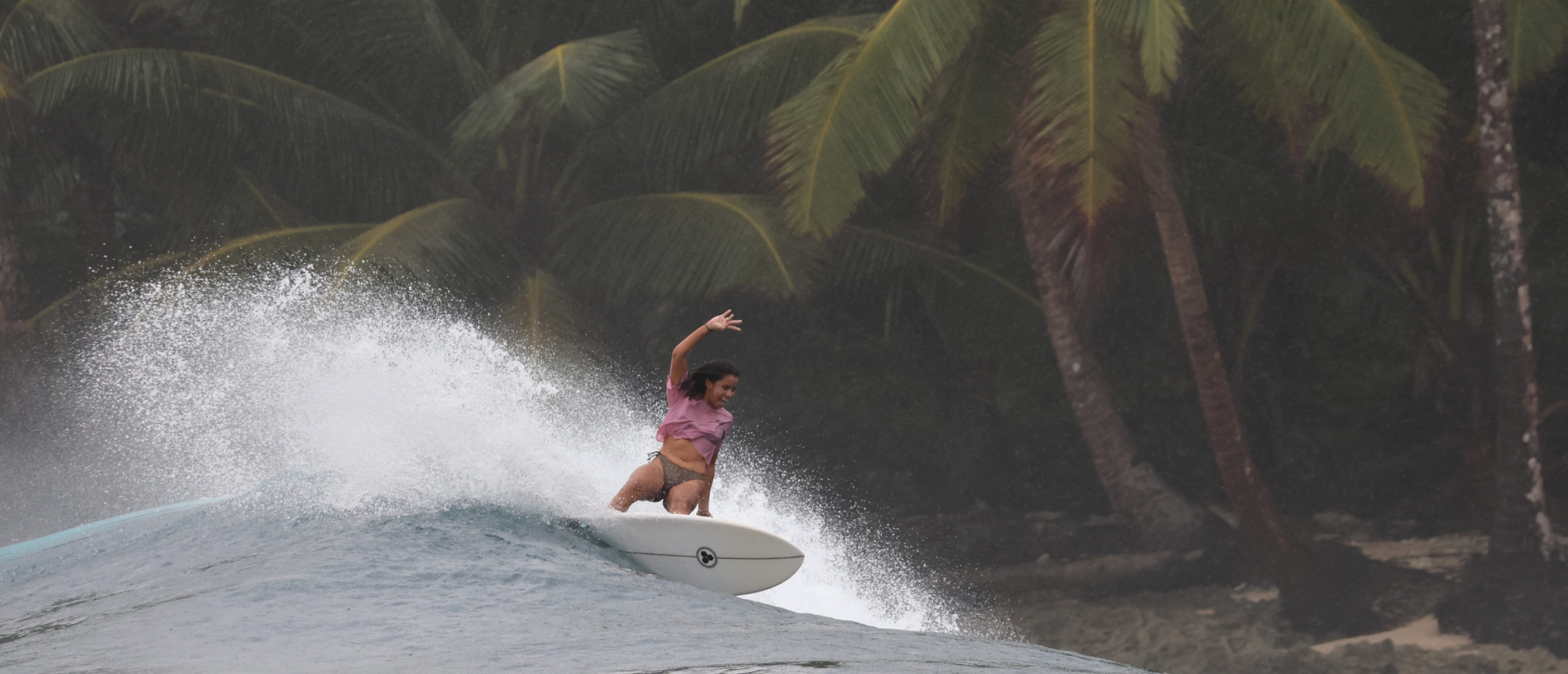
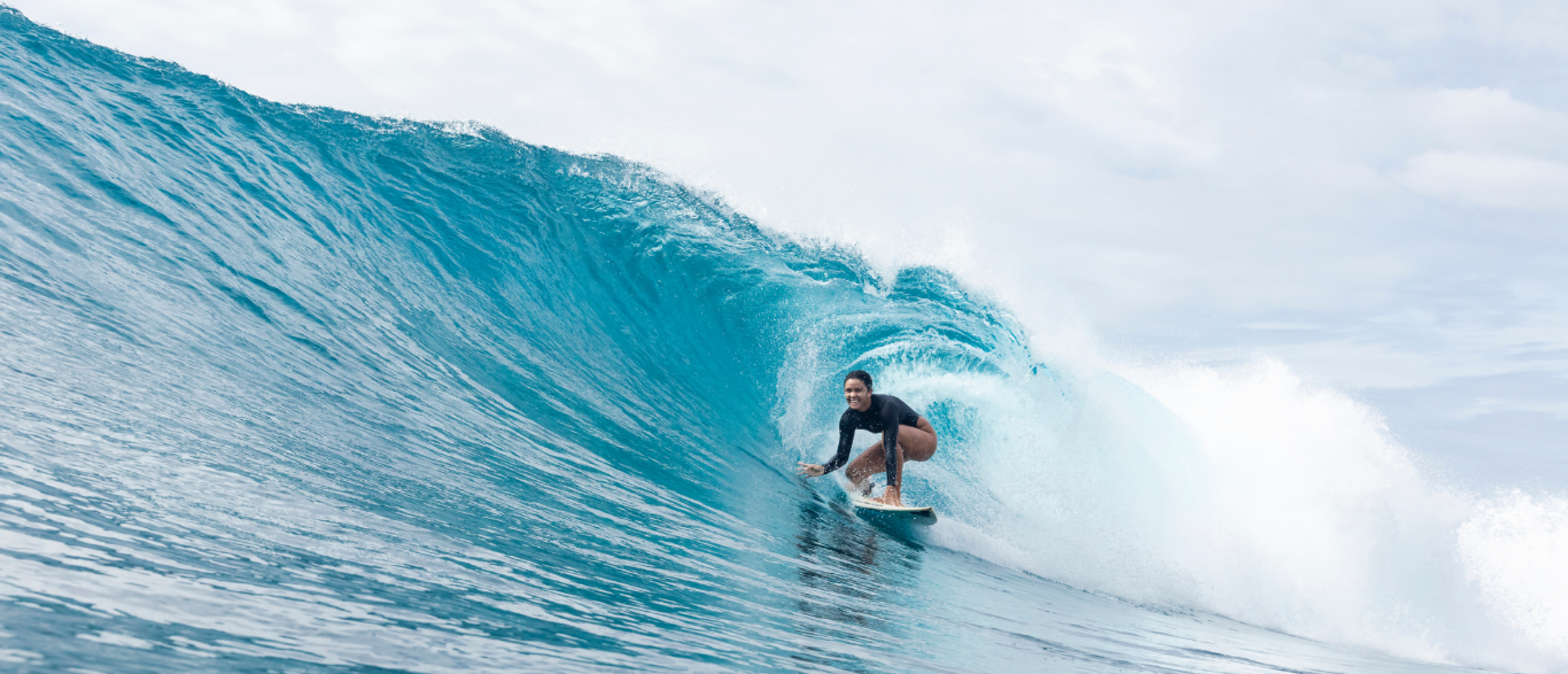
Surfing your first reef break is a big step.
It’s exciting, a little intimidating, and often a moment where you feel like you’re leveling up in your surfing.
But reef breaks are very different from beach breaks — and going in unprepared can turn a great session into a stressful one.
In this guide, we’ll walk you through exactly what to expect, how to prepare, and how to surf your first reef break safely and confidently.
If you feel like you’ve been stuck before reaching this stage, it might be worth checking out why you're not improving at surfing — it often comes down to fundamentals.
🌊 What Is a Reef Break?
A reef break is a wave that breaks over a coral reef or rock bottom, instead of sand.
This creates waves that are often:
- More powerful
- More predictable in shape
- Breaking in the same spot consistently
That consistency is what makes reef breaks so appealing — but also what makes them more technical.
⚠️ Reef Break vs Beach Break: The Key Differences
If you’ve only surfed beach breaks before, here’s what will feel different:
- Fixed take-off zone: waves break in the same spot
- Shallower bottom: less forgiving than sand
- Sharper take-offs: waves can be steeper
- More predictable wave shape: great for progression once you’re ready
At a beach break, you can get away with mistakes.
At a reef break, positioning and timing matter more.
🧠 Are You Ready for a Reef Break?
Before paddling out, it’s important to be honest about your level.
You’re ready for a reef break if you can:
- Catch waves consistently on your own
- Control your pop-up
- Angle your take-off (not just go straight)
- Handle small wipeouts calmly
If you’re still working on basics, it’s better to build confidence first.
👀 Step #1: Study the Spot Before You Paddle Out
This is one of the most important habits.
Before entering the water, take 10–15 minutes to observe:
- Where waves are breaking
- Where surfers are taking off
- Where the channel (easy paddle out) is
- How currents are moving
Reef breaks reward awareness.
The more you observe, the easier your session will be.
📍 Step #2: Find the Channel
The channel is your safest and easiest way to paddle out.
It’s usually a deeper area where waves don’t break.
Paddling through the impact zone on a reef can be exhausting and risky.
Take your time to find the right entry point.
🏄♂️ Step #3: Positioning Is Everything
On a reef break, being in the right spot matters more than anywhere else.
Too far inside?
You’ll get caught in steep, late drops.
Too far outside?
You’ll miss waves.
Watch where experienced surfers sit and adjust gradually.
Don’t rush — take your time to find your position.
⚡ Step #4: Commit to Your Take-Off
Reef waves can be steeper and faster.
Hesitation is what causes most wipeouts.
Once you decide to go, commit:
- Paddle with intention
- Pop up quickly
- Look where you want to go
Doubt often leads to late take-offs, which are harder to recover from.
🛑 Step #5: Learn How to Fall Safely
Wiping out is part of surfing — especially when you’re stepping up.
On a reef break:
- Try to fall flat (not headfirst)
- Protect your head with your arms
- Stay calm underwater
Avoid diving straight down, as the reef can be shallow in some spots.
Most importantly — stay relaxed.
🧍 Step #6: Respect the Lineup
Reef breaks often have more structured lineups.
Because waves break in a fixed spot, positioning becomes competitive.
Follow proper etiquette:
- Don’t drop in
- Wait your turn
- Be aware of others
If you need a refresher, check out our surf etiquette guide.
🌊 Step #7: Choose the Right Conditions
Your first reef break session should not be in big or heavy surf.
Start with:
- Smaller swell
- Clean, glassy conditions
- Less crowded sessions
This gives you space to learn without pressure.
🚫 Common Mistakes to Avoid
Here are some of the most common beginner mistakes at reef breaks:
- Paddling out without observing
- Taking off in the wrong spot
- Hesitating on waves
- Panicking during wipeouts
These are normal — but awareness helps you avoid them.
🚀 The Smart Way to Surf Your First Reef Break
The easiest way to step into reef breaks is with guidance.
Having someone who knows the spot helps you:
- Position yourself correctly
- Choose the right waves
- Stay safe and confident
This removes a lot of uncertainty and helps you progress faster.
Want to build confidence in the right conditions?
Join our surf retreat in Bali, where we guide you step by step — from beach breaks to your first reef waves.
Final Thoughts
Your first reef break is a milestone in your surf journey.
It might feel intimidating at first, but with the right preparation and mindset, it can also be one of your most rewarding experiences.
Take it step by step, stay aware, and don’t rush the process.
Confidence in surfing comes from understanding — and reef breaks are a great place to build that next level of awareness.
If you're ready to take your surfing further, get in touch with us or learn more about our approach.
Frequently Asked Questions
Is surfing a reef break dangerous?
Reef breaks can be more challenging than beach breaks, but with the right conditions, preparation, and awareness, they are safe to surf.
Can beginners surf reef breaks?
Early beginners should start on beach breaks. Reef breaks are better suited for surfers who can already catch and control waves independently.
What should I do if I wipe out on a reef?
Stay calm, protect your head, and avoid diving down. Most wipeouts are manageable if you stay relaxed.
How do I know where to take off on a reef break?
Watch other surfers and identify the peak where waves consistently break before paddling out.