Choosing the right surfboard is one of the most important decisions you’ll make in your surfing journey.
It might seem like a small detail at first, but the truth is — your board can either accelerate your progress or completely hold you back.
If you’ve ever struggled to catch waves, felt unstable when standing up, or wondered why surfing feels harder than it should… there’s a good chance your board isn’t the right fit.
In this guide, we’ll break down exactly how to choose the right surfboard for your level, so you can catch more waves, build confidence faster, and actually enjoy the learning process.
If you want to remove the guesswork completely, you can always join our surf retreat in Bali, where we match you with the right board and conditions from day one.
🏄♂️ Why Choosing the Right Surfboard Matters
Surfing is not just about balance or strength — it’s about the right setup.
The right surfboard will:
- Help you paddle faster and easier
- Allow you to catch more waves
- Give you better stability when standing
- Build your confidence in the water
The wrong surfboard will do the opposite — and often leads to frustration, slow progress, and less enjoyment.
This is why many beginners struggle early on. Not because they can’t surf, but because they’re using boards that are too advanced for their level.
📏 The 3 Key Factors: Size, Volume & Shape
When choosing a surfboard, you don’t need to overcomplicate things. Focus on these three fundamentals:
1. Size (Length)
Longer boards are easier to paddle and more stable. They glide better and help you catch waves earlier.
2. Volume
Volume refers to how much water the board displaces. More volume means more float, which makes balancing and paddling easier.
3. Shape
Wider, thicker boards with rounded noses are more forgiving and beginner-friendly.
Simple rule: when in doubt, go bigger, wider, and thicker.
It might not look as “cool” — but it will make surfing way more enjoyable.
🟢 Best Surfboards for Beginners
If you’re just starting out, your only goal should be to catch as many waves as possible.
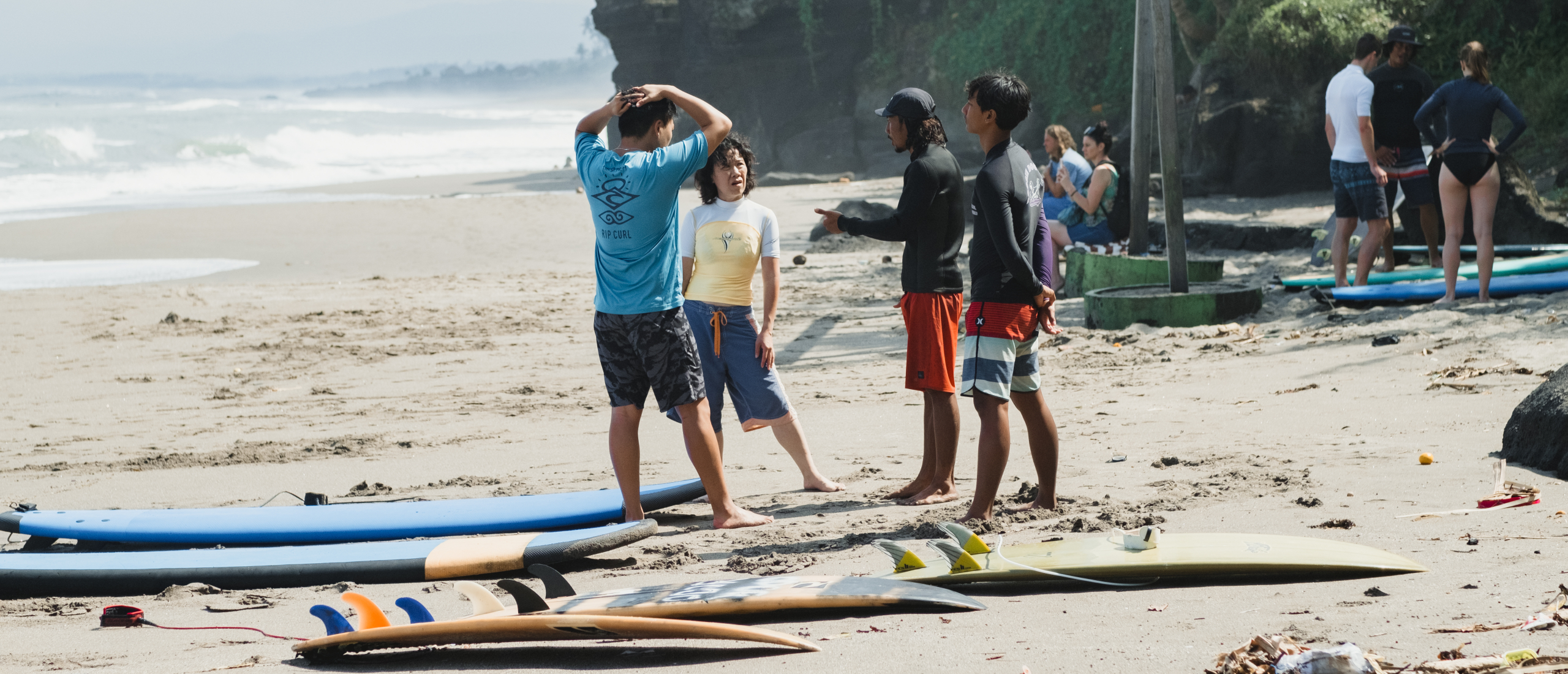
The best board for this is a soft-top longboard (8–9 ft).
Why?
- It’s very stable and forgiving
- It paddles easily
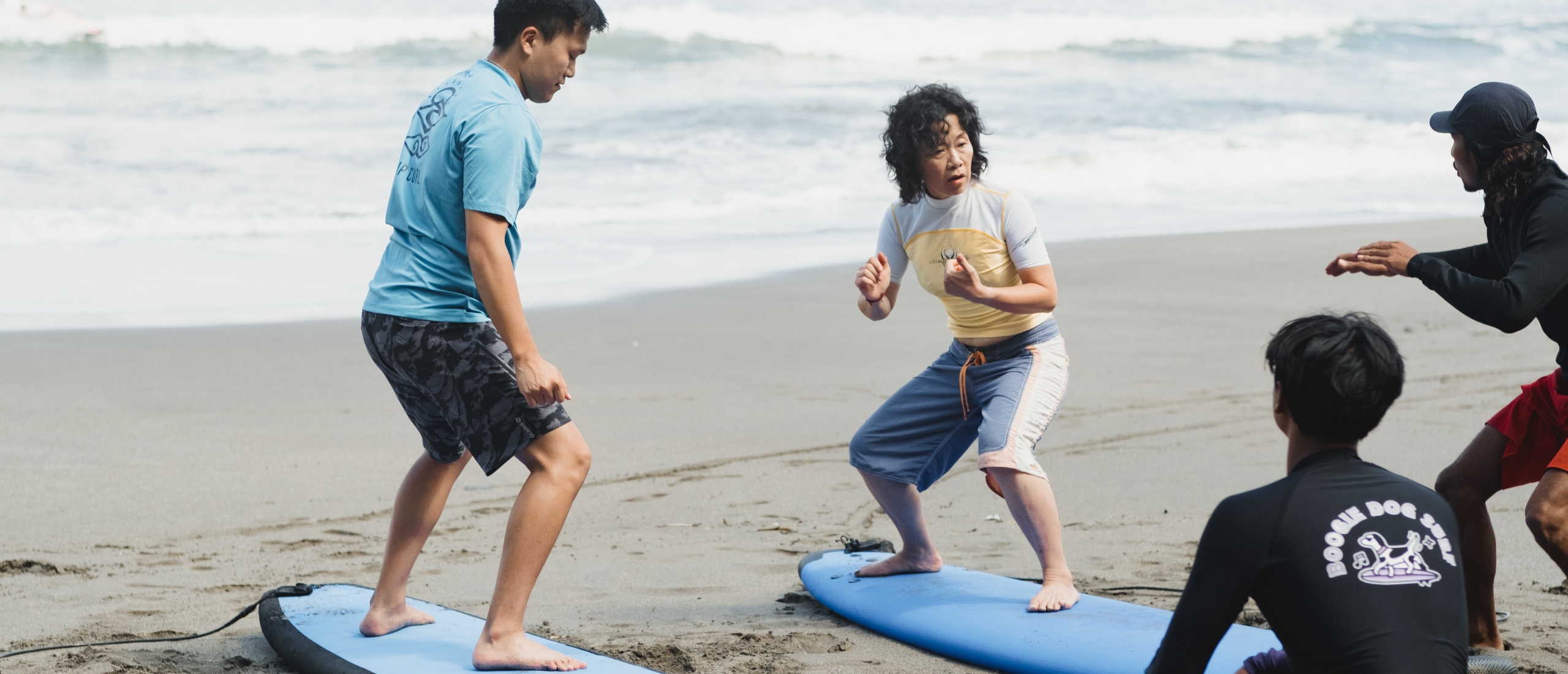
- It helps you stand up sooner
- It reduces the impact of mistakes
Soft-top boards are specifically designed for learning. They give you the best chance to succeed in your first sessions.
Many beginners underestimate how much easier surfing becomes on the right board.
If you're completely new, it’s worth reading our complete beginner surf guide to understand the basics before you hit the water.
🟡 Intermediate Surfboards: When You Start Progressing
Once you’ve mastered the basics — like paddling, popping up, and riding straight — you might feel ready to move on.
This is where intermediate boards come in.
Good options include:
- Mini mal (7–8 ft)
- Funboard
These boards are slightly shorter and more maneuverable, but still provide enough volume to support your progression.
The key here is balance. You want to challenge yourself, but not make things unnecessarily difficult.
Downsizing too quickly is one of the biggest mistakes surfers make.
If you're unsure, check out our guide on common beginner surf mistakes — it covers this in detail.
🔴 Advanced Surfboards: Shortboards Explained
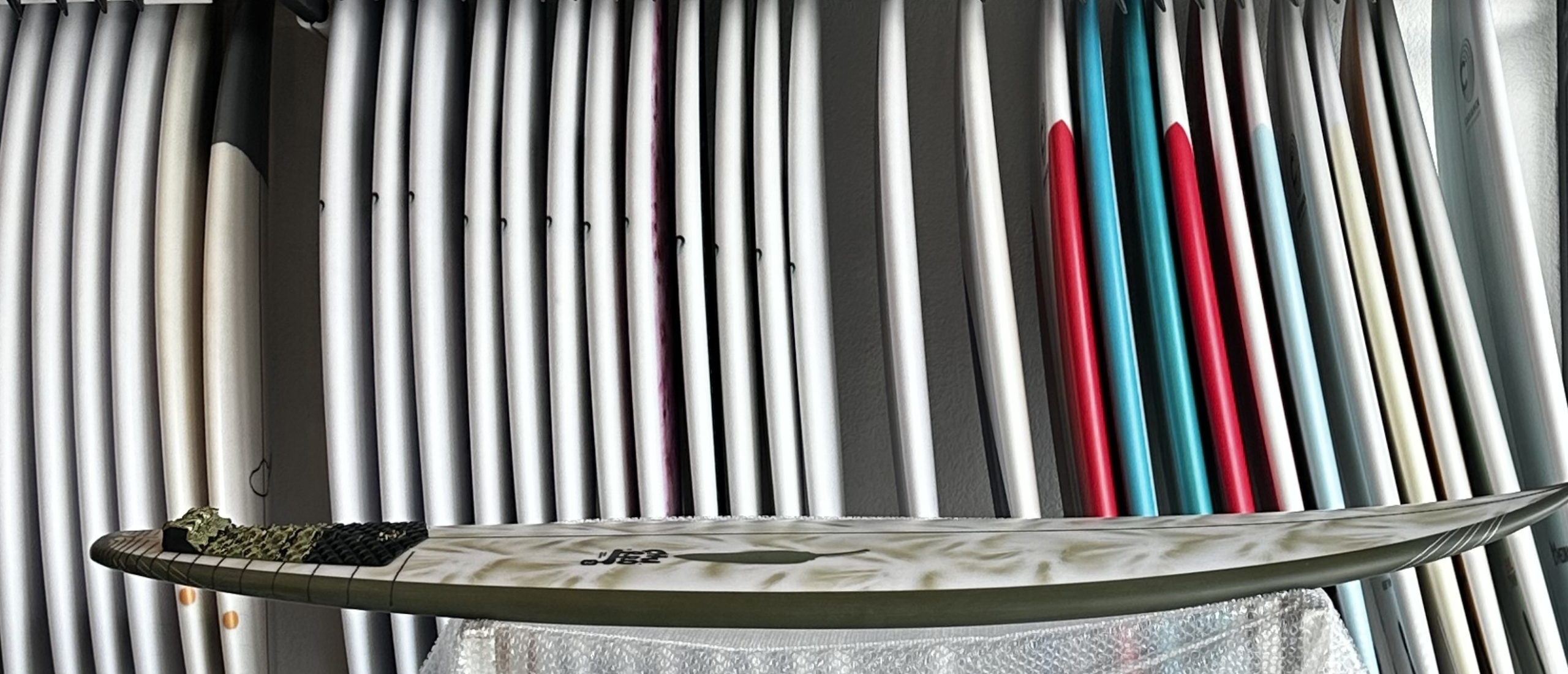
Shortboards are fast, responsive, and highly maneuverable — but they require skill.
They are designed for surfers who already understand wave positioning, timing, and control.
You’re ready for a shortboard if you can:
- Paddle efficiently and confidently
- Catch waves without assistance
- Control your direction on the wave
- Start turning and generating speed
If you jump onto a shortboard too early, you’ll likely struggle with paddling and catching waves — which slows your progress.
There’s no rush. Staying on a bigger board longer will actually help you improve faster in the long run.
⚠️ The Most Common Mistake: Going Too Small Too Fast
This is the biggest trap in surfing.
Many beginners want to ride smaller boards because they look more “pro” or feel like a natural next step.
But here’s the reality:
- Smaller boards are harder to paddle
- They require better balance
- You’ll catch fewer waves
And fewer waves = less practice = slower progress.
Surfing is all about repetition. The more waves you catch, the faster you improve.
That’s why staying on a bigger board longer is one of the smartest things you can do.
🎯 Signs You’re Ready to Change Boards
So how do you know when it’s time to move on?
Here are some clear signs:
- You catch waves consistently without help
- Your pop-up feels smooth and controlled
- You can ride along the wave (not just straight)
- You feel stable and confident in the water
If you’re still working on these basics, stick with your current board.
If you want to improve your technique, check out our step-by-step pop-up guide.
🌊 Matching Your Board to Conditions
Another important factor is surf conditions.
Even experienced surfers adjust their boards depending on the waves.
For smaller waves:
- Use a bigger board with more volume
For bigger, steeper waves:
- You can use a smaller, more responsive board
This is why having guidance can be so valuable — especially when you’re still learning.
🚀 The Easiest Way to Get It Right
Honestly, the fastest way to choose the right surfboard is not guessing — it’s getting guidance.
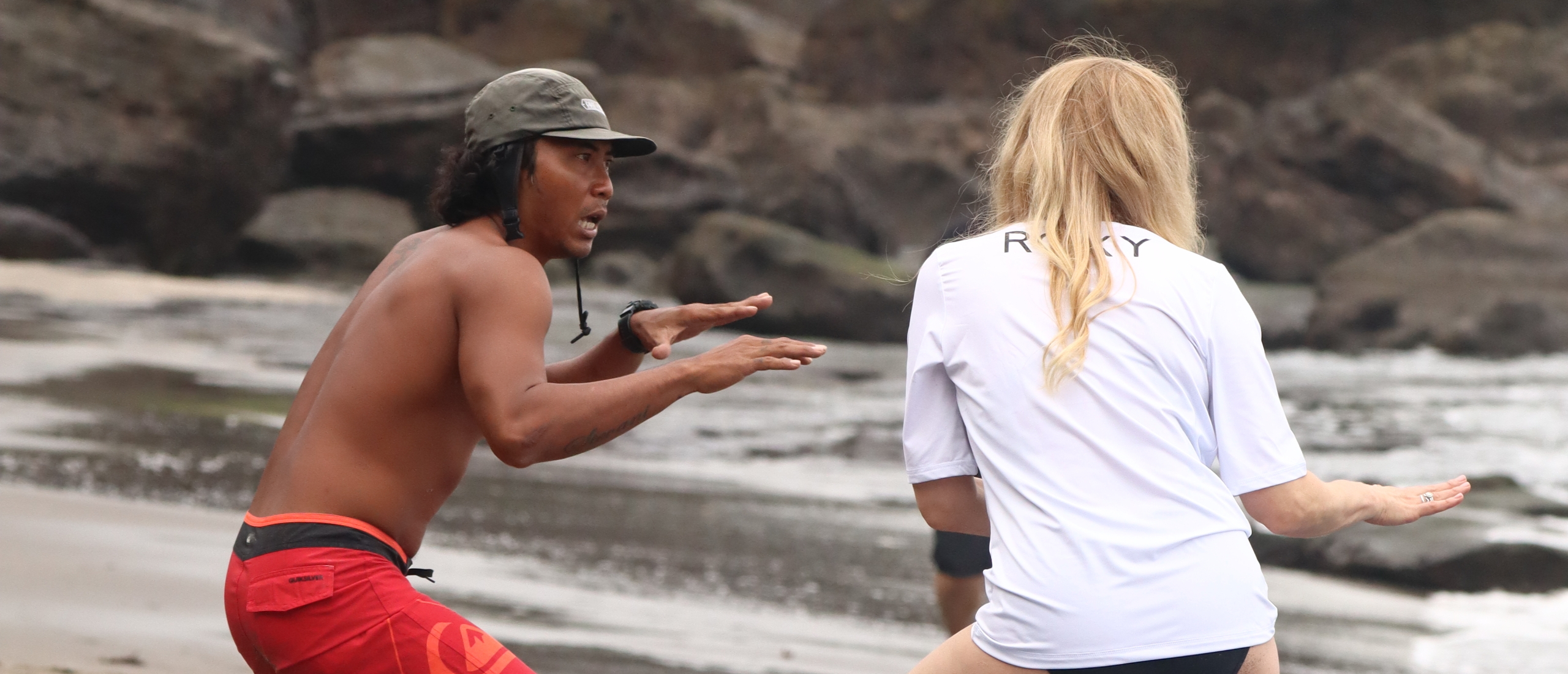
Experienced coaches can quickly assess your level and match you with the right board for the day.
This means:
- No trial and error
- No wasted sessions
- Faster progression
Want to skip the guesswork?
Join our surf retreat in Bali, where we provide the right boards, coaching, and daily surf guidance — so you can focus on improving and enjoying the experience.
Final Thoughts
Choosing the right surfboard is not about riding the smallest or most advanced board — it’s about setting yourself up for success.
The right board helps you catch more waves, feel more confident, and actually enjoy the process of learning.
Go bigger than you think, stay patient, and focus on progression.
If you're ready to improve faster with the right setup, get in touch with us or learn more about our approach.
Frequently Asked Questions
What size surfboard should a beginner use?
Most beginners should start with an 8–9 ft soft-top board, as it offers the best balance of stability, paddle power, and ease of learning.
Is it bad to start on a shortboard?
Yes. Shortboards are much harder to paddle and balance on, making them unsuitable for beginners.
When should I switch to a smaller surfboard?
Once you can consistently catch waves, pop up smoothly, and control your ride, you can consider downsizing gradually.
Does the right surfboard really make a difference?
Absolutely. The right surfboard can dramatically improve your learning speed and overall surf experience.